How To Select The Right Grout Color: Finding the Ideal Color for Your Tile Grout
How To Select The Right Grout Color: Finding the Ideal Color for Your Tile Grout
When it comes to putting the finishing touches on your tiling project, the color of the grout may appear to be an insignificant detail; however, it can actually have a significant impact on the way the space looks in its entirety. The use of the appropriate grout color can enhance the natural beauty of your tiles, draw attention to patterns, and bring the various components of the room's design together. On the other hand, selecting the incorrect color of grout can detract from the appearance of your tiles and leave you feeling dissatisfied with the end result. Before settling on the ideal tile grout color, it is important to take into consideration the following factors to ensure that you make the right decision.
1. The Color And Material Of The Tiles: When choosing grout, the color and material of your tiles should be the primary consideration. You will need to decide whether you want the grout to blend in seamlessly with the tiles or to create contrast in order to highlight the individual pieces of tile. For instance, if you have intricate tiles or colorful tiles that you want to highlight, selecting a grout color that contrasts with the tiles can help define the pattern and make it visually appealing. This is especially useful if you want to highlight the tiles.
2. Tile Size And Spacing: The size of your tiles and the width of the grout lines both play an important role in the appearance of the space as a whole. It is possible to achieve a more dramatic effect with contrasting grout colors when using larger tiles with wider grout lines. On the other hand, smaller tiles or tiles that are closely spaced may benefit from using a grout color that closely matches the tile in order to create an appearance that is more cohesive.
3. Consider The Room's Style And Atmosphere: You should give some thought to the room's desired style and atmosphere. The use of particular grout colors can elicit particular states of mind. If you are going for a more classic or traditional look, using grout colors that are neutral and closely match the color of the tile can help create an appearance that is seamless and elegant. Experimenting with contrasting grout colors, on the other hand, can add a touch that is both daring and trendy to a space that is designed to have a modern or industrial feel to it.
4. Examine the Sample in Natural Lighting: Since the appearance of grout can change depending on the type of lighting that is used, it is essential to examine the various color options for grout in natural lighting. Take some samples of the grout and place them against your tiles so that you can observe the way in which the sunlight interacts with them at various times of the day. This step ensures that the grout color you've chosen will look just as appealing in actual conditions as it does on the sample card.
5. Maintenance Considerations: One more essential consideration to keep in mind is how much time and effort you are willing to invest in maintaining the property. Light-colored grout may show fewer stains and dirt in the short term, but it may be more likely to discolor over time, especially in high-traffic areas. This is especially true in areas where there is a lot of sunlight. Even though darker grout is better at hiding stains, it still needs to be cleaned regularly or it will end up looking faded or discolored. Find a happy medium between the appearance you want to achieve and the amount of upkeep that you are willing to put in.
6. Long-Term Satisfaction: It is important to remember that grout is a permanent fixture once it has been installed. Even though it might be tempting to select a grout color that is on trend or vibrant, you should ask yourself if you will still adore it in a few years. The use of grout colors that are traditional and neutral can often withstand the test of time, resulting in a classic appearance that is not easily dated.
7. Consult With Tile Professionals Or Interior Designers: If you're not sure which grout color will work best for your project, don't be afraid to ask tile professionals or interior designers for their input. They have previous experience with coordinating colors, and as a result, they are able to provide insightful advice based on their expertise. They may also have access to a wider range of color options for the grout, which will ensure that you find the one that is the best match.
8. Room Lighting And Color Palatte: The lighting in the room can have an effect on how the color of the grout appears. A room that is predominately white, for instance, may cause a darker grout to stand out more, creating a striking contrast between the two colors. In contrast, a room with a color palette that contains a greater variety of colors might have a different effect. It is important to take into consideration the overall color scheme as well as the lighting conditions of the room where the tiles will be installed.
9. Go With your Instincts: Although it is important to take all of these aspects into consideration, you should also rely on your instincts. After weighing all of the practical considerations, you should select the grout color that makes you feel the most emotionally connected to it. Because you are the one who will be living with the choice on a daily basis, your personal preference and level of contentment are extremely important considerations.
Brands,And Where To Buy It
When beginning a project that involves tiling, one of the most important decisions that must be made is which grout to use. The appropriate grout can make a significant difference in a variety of ways, including by preventing water from leaking through the spaces between tiles and by improving the look of the surface overall. In this piece, we'll take a look at some of the most popular brands of grout, ranking them from best to most affordable, along with providing an overview of the prices for each option.
1. Laticrete: Laticrete is frequently regarded as one of the best grout brands currently available on the market. Epoxy, sanded, and unsanded varieties of grout are just some of the many that are available from Laticrete, a company that is well-known for the quality and longevity of its products. The performance, stain resistance, and longevity of Laticrete grouts make them an excellent investment for high-traffic areas or projects in which quality is of the utmost importance, despite the fact that their prices range from $10 to $50 per bag.
2. Mapei: Mapei is another top-tier grout brand that provides both traditional cement-based and advanced epoxy grouts. Mapei's grouts can be found in both residential and commercial settings. Because of their well-known consistency in color and performance, Mapei grouts enjoy a great deal of trust among both industry professionals and do-it-yourself enthusiasts. Because of its reasonable cost, which ranges from $8 to $25 per bag on average, Mapei grout is an excellent option for consumers who are looking for a product that strikes a healthy balance between quality and price.
3. Custom Building Products: Custom Building Products is a reputable brand that is well-known for manufacturing grouts that are dependable and simple to use. Because of their extensive selection of grout colors and types, they ensure versatility for a variety of tile projects. Prices range anywhere from $8 to $20 per bag, with the average cost falling somewhere in the middle of that range. This places the cost of custom grout squarely in the middle of the range. This brand offers an exceptional balance of performance and cost-effectiveness in their products.
4. TEC: Products manufactured by TEC are renowned for their excellent color consistency and user-friendliness. They cater to various tile sizes and requirements by providing sanded and unsanded grout options for customers to choose from. The cost of TEC grouts typically falls within a more manageable price range, ranging anywhere from $6 to $18 per bag. Even though it is not quite as high-end as some of the other brands, TEC offers quality that is satisfactory to customers who are looking for a more affordable alternative.
5. Polyblend: Polyblend grout, a popular choice for many do-it-yourself projects, is more wallet-friendly than the brands that have been mentioned up until this point. With prices ranging from $5 to $15 per bag, Polyblend grout is an option that is appealing to those who are working with a limited spending limit. Polyblend is suitable for applications that are not as demanding as others, despite the fact that it does not provide the same level of durability and stain resistance as some premium brands.
Mastering The Art Of Grouting: A Step By Step Guide
The completion of your tile project cannot be considered complete without the application of grout. Not only does it keep the tiles in place, but it also improves the appearance of the area as a whole by filling in the spaces between the tiles. This step-by-step guide will help you master the art of grouting, ensuring a beautiful and long-lasting finish. Whether you're an experienced DIY enthusiast or embarking on your first tiling adventure, this guide will help you get the job done right the first time.
1. Collect Your Materials: Before you start, check to see that you have all of the required items in your possession. This includes the sanded or unsanded grout that is appropriate for your project, a rubber float, a grout sponge, a bucket, clean water, and, if necessary, a grout sealer.
2. Preparing The Grout: mix it according to the instructions provided by the manufacturer, which should be found on the packaging of the grout. Make sure to protect your hands and eyes by donning gloves and goggles. In most cases, you will start by adding water to the grout powder and stirring the mixture until you achieve a smooth consistency that is relatively thick. Before you mix the grout once more, you should give it some time to "slake," which means to let it sit for a few minutes. Because of this, the grout will be completely hydrated and much simpler to work with.
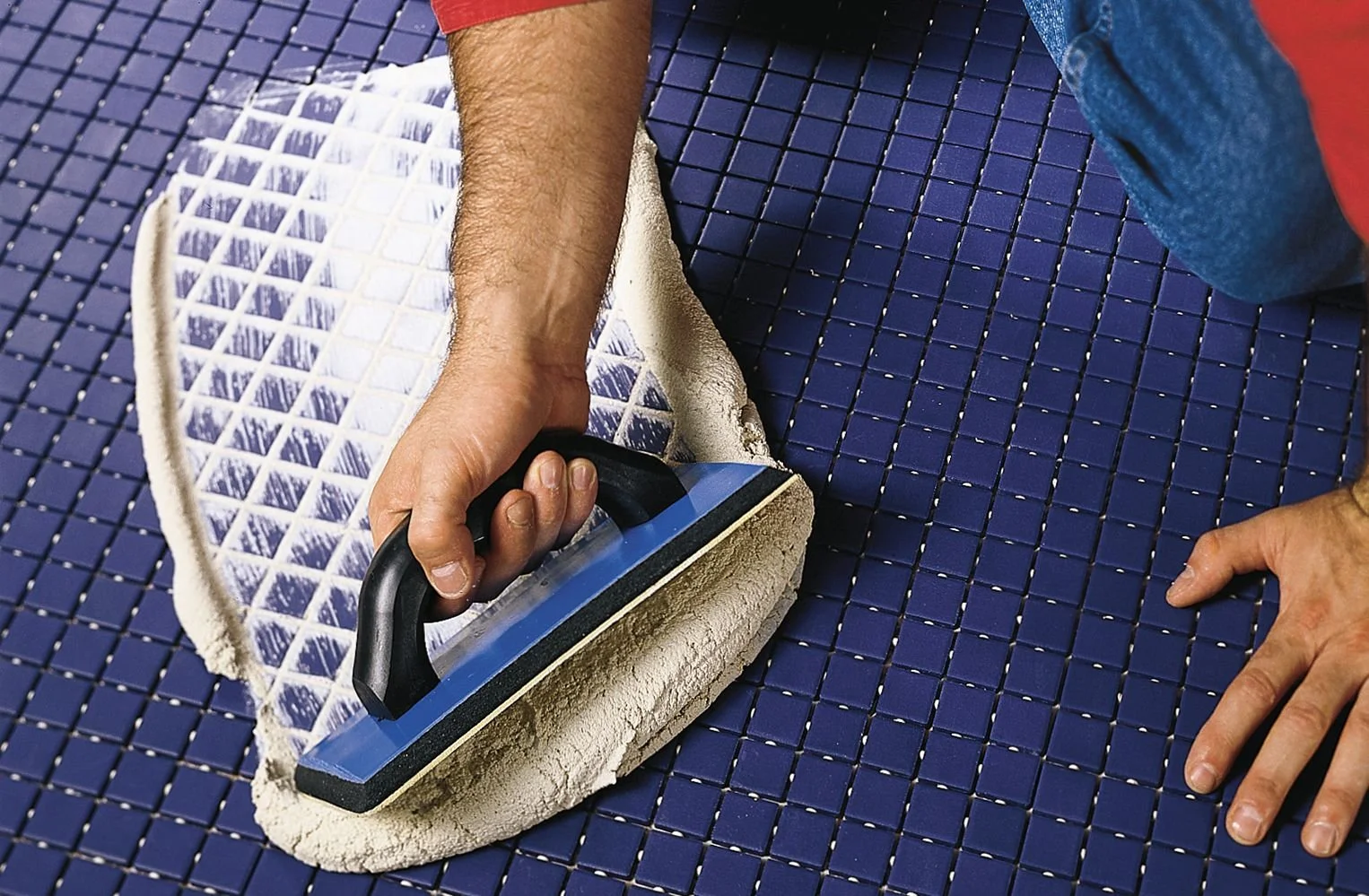
3. Applying The Grout: Using the Rubber Float, Scoop Up a Generous Amount of Grout and Begin Applying It to the Tile Surface Using the rubber float, scoop up a generous amount of grout and begin applying it to the tile surface. While holding the float at a 45-degree angle, press the grout into the gaps between the tiles until it is completely filled. Repeat this process until all of the spaces have been filled. To prevent the grout from drying out before it can be cleaned, you should work on it in small sections.
4. Smoothing and Packing: After applying the grout, hold the float at a flatter angle (about 15 degrees) and use it to smooth the grout lines while packing the grout firmly into the gaps. This should be done after the grout has been applied. This helps to ensure that the grout line is uniform and solid, and it reduces the likelihood that there will be cracks or air pockets.
5. Cleaning the Tiles: After the grout has been applied, wait ten to twenty minutes for it to set, or until a thin film begins to form on the surface of the grout. After this time has passed, you can begin cleaning the tiles. At this point, remove any excess grout from the tiles by wiping them with a damp grout sponge while being careful not to dig into the grout lines. Make sure to give the sponge a lot of rinses, and try to keep the surface as clean as you can.
6. Final Cleaning and Sealing: (If Necessary): After approximately twenty-four hours, once the grout has had time to set, you may observe a slight haze on the tiles. This is normal. To get rid of this haze, use a cloth that is clean and dry. It is highly recommended that you use a grout sealer whenever you are working with porous tiles or in an area that is prone to moisture. This will prevent the grout from becoming stained and will prevent moisture from penetrating the grout. Be sure to use the sealer in accordance with the instructions provided by the manufacturer.
7. Maintenance: If you give your grout the attention it needs on a regular basis, it will remain in good condition. Maintain a clean surface on the tiles, and stay away from cleaning products that contain abrasives, as these can damage the grout. It is imperative that you make the necessary repairs as soon as you become aware of any cracks or gaps in the grout in order to avoid further damage.
If you follow these instructions, you'll be able to apply grout like a pro, giving your tile project a polished and professional finish. This will allow you to achieve your desired look. Always keep in mind that the best results can only be achieved through patience and careful attention to detail. You'll soon become an expert in the art of grouting, and once you do, you'll be able to appreciate the enhanced beauty and durability that it brings to your tiled surfaces.
When choosing the appropriate grout for your project, it is essential to take into consideration not only the price and the reputation of the brand, but also the particular needs of your project, the amount of foot traffic that the area will be subjected to, and the maintenance practices that you prefer for the long term. In many cases, premium brands such as Laticrete and Mapei are able to justify their higher prices with superior performance. On the other hand, more cost-effective options such as TEC and Polyblend can be suitable for applications that are less demanding, which can help you achieve a beautiful finish without breaking the bank. Be sure to follow the manufacturer's instructions for application of the grout that you purchase in order to achieve a result that is long-lasting, seamless, and aesthetically pleasing as well as one that can withstand the test of time.
It is important to give ample thought to the decision of what color grout to use between tiles when doing so. You will be well-equipped to make an informed choice if you consider factors such as the tile color, tile size, the style of the room, your preferences regarding maintenance, and if necessary, seek the advice of a professional. Keep in mind that the ideal color of grout is the one that goes well with your tiles, improves the look of your design, and produces a room that you will continue to enjoy for a long time. Spend some time considering your choices, and then sit back and take in the stunning finished product that a color of grout that's been carefully selected can give your house.
"Grouting products of the highest quality can bring your home up to date! Learn about the most recent developments in industry-leading brands such as Laticrete and Mapei at the #CustomBuildingProducts website. Put an end to the use of drab tiles and replace them with surfaces that feature vibrant grouting. Today is the day to get #GroutSmart! #HomeRenovation #GroutingMagic #TileTransformation #ExpertGrouting #GroutPerfection #BeautifulSpaces #DIYProjects #TileArtistry #GroutSolutions #TilingPro" #GroutPerfection #BeautifulSpaces #DIYProjects #TileArtistry #GroutSolutions #TilingPro"
